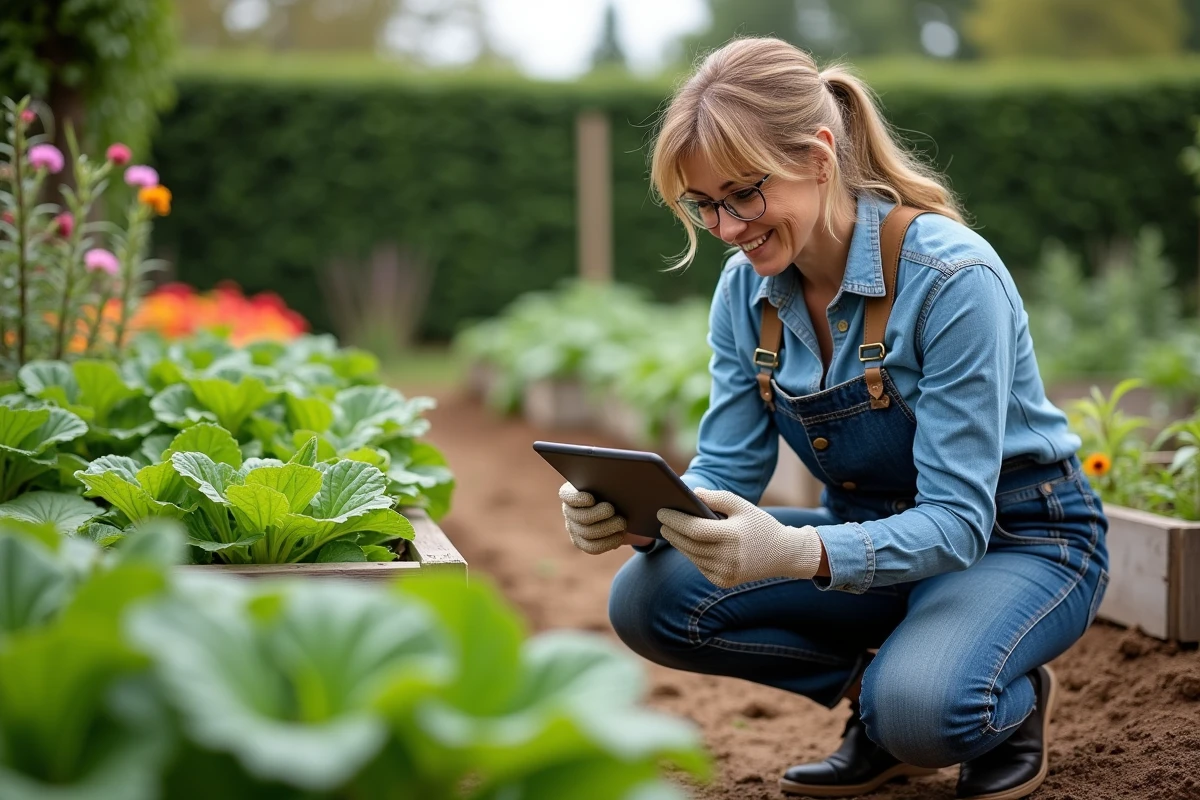
A stark figure: 70% of amateur gardeners now consult online resources before even touching the soil. More than a trend, it’s a small revolution in daily practices.
Ready-made recipes do not exist in natural gardening. Thermal weeding, for example, has its limits: it allows couch grass to return, but it better respects the microfauna than chemical herbicides. Another illustration: green manures, praised in manuals, do not work miracles on soils very low in nitrogen. As for crop associations, so popular in books, their effectiveness against pests is not always as evident in practice.
Practices change quickly. From one season to the next, advice evolves, driven by shared experience and exchanges among seasoned gardeners. Online resources update these methods in real-time, allowing adjustments to choices based on weather, soil, and climate surprises.
Why a specialized blog changes the game for natural gardening
Choosing a gardening advice blog is not trivial. When it is part of a genuine website dedicated to organic gardening, this blog becomes a rallying point. It does not merely list tips: it draws its strength from the writing of a specialized author, who conveys lived experience and unites a community. Here, everyone finds tailored answers, in line with their soil constraints, time availability, or desires for more ecological practices.
Visibility is not a coincidence: natural referencing becomes the foundation of online recognition. A good blog, designed for SEO, relies on clear tags, Rich Snippets to structure content, and an optimized loading speed to avoid losing impatient readers. Ergonomics does not follow trends; it aligns with the ecological values of the project: smooth navigation, easy access on mobile, everything is in place to support the user.
Here are some features that enrich the experience around the specialized blog:
- Modules like the newsletter, forum, or testimonials add rhythm and multiply points of contact.
- Link creation with social networks amplifies the reach of advice, encourages sharing, and fosters collective emulation.
- Customer reviews build trust, while feedback creates a lively exchange.
For those who want to go further, discover Jardiniers info for gardening opens up a wealth of concrete examples, debates, and best practices, fueled by the diversity of profiles and experiences.
Ultimately, the specialized blog goes far beyond occasional advice. It shapes a collective dynamic, supports commitment, and encourages everyone to turn their convictions into actions, so that natural gardening remains vibrant, rooted in reality.
What concrete advice for adopting permaculture and organic practices daily?
Establishing a permaculture garden starts with respecting the living soil. Forget the spade and systematic turning: cover the ground with organic mulch, rely on homemade compost made from peels and plant scraps. This material nourishes the humus, protects against erosion, and stimulates underground life.
To enrich biodiversity, vary crops and combine companion plants with local species. A few examples: nasturtiums form a natural barrier for tomatoes, marigolds repel aphids. Each has its place in the logic of the permaculture vegetable garden, contributing to a global balance.
Water management needs to be anticipated. Collect rainwater, set up drip irrigation, choose robust varieties suited to your climate: these are concrete choices to conserve resources. Favoring local materials and frugal methods enhances the sustainability of organic gardening.
To limit waste, just adopt a few simple reflexes: recycle green waste into compost, ban chemical solutions, use natural products to treat the soil or make homemade brews. A specialized blog regularly offers these gardening tips: crop rotation, gentle pest control, creating shelters for ladybugs or hedgehogs.
These actions, repeated season after season, pave the way towards a bio garden, generous and resilient in the face of uncertainties.

Engaging with enthusiasts: an inexhaustible source of tips and motivation
Sharing experiences changes everything. The specialized blog does not just publish natural gardening advice: it brings together an enthusiastic community, eager to exchange and learn. A comment, a question slipped into the forum, and immediately responses flow, driven by the generosity of regulars. Testimonials pour in, illustrated with photos, recounting both successes and failed attempts; it is in these trials that tips emerge that save time and energy.
The newsletter punctuates the calendar, relays collective challenges, proposes contests that encourage trying new experiences. Each challenge is an opportunity to progress, share, and compare results. Case studies or expert interviews fuel reflection, highlight the plurality of approaches, and open up new avenues.
Social networks and forums complete the ecosystem. A pest concern? A rotation to rethink? Mutual aid activates within hours, each person contributing their knowledge. Families connect, beginners gain confidence, and younger ones are introduced to the magic of the living world.
This network, woven through exchanges and shared experiences, infuses valuable energy. The garden is no longer just a patch of earth: it becomes the beating heart of a collective adventure, where every step counts and every voice nourishes the common momentum.