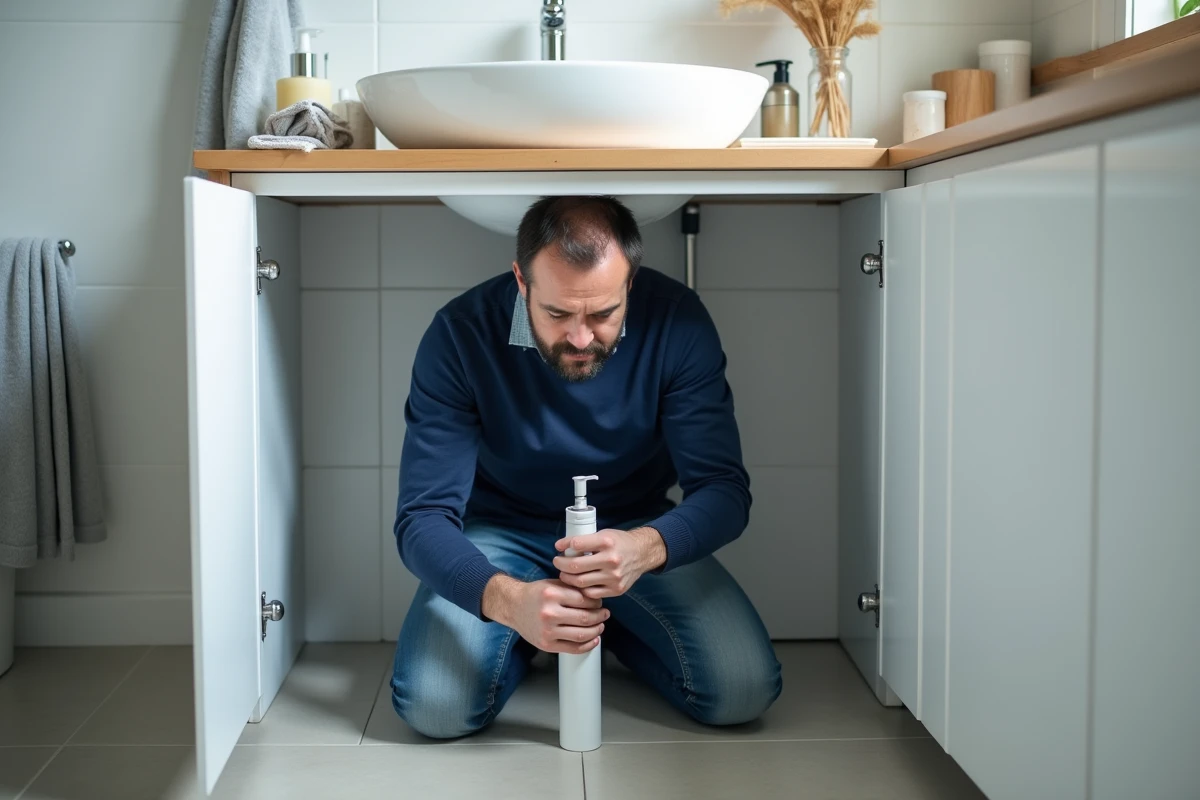
The civil code specifies that minor repairs and regular maintenance are the responsibility of the tenant, except in cases of wear and tear or construction defects. However, the line between normal use and unpredictable equipment failure remains a source of disputes. The costs of replacing a clogged sink trap perfectly illustrate this ambiguity.
Some judgments hold the landlord responsible when the clog results from a structural defect or advanced wear. Others consider that the clogging is due to tenant negligence, even in the absence of bad faith. Case law fluctuates, requiring an examination of each situation on a case-by-case basis.
Understanding the distribution of responsibilities in the case of a clogged sink trap
In the reality of renting, the question of role-sharing arises as soon as a technical problem disrupts daily comfort. A clogged sink trap is the kind of incident that puts both tenant and landlord face to face with their obligations. Regulations, particularly the list of rental repairs, impose regular maintenance of the property on the tenant. This means cleaning the pipes, monitoring the accumulation of debris, and acting quickly in case of a clog.
The landlord, for their part, must intervene if the problem arises from the wear of the equipment or a design defect. If the pipe is clogged because it has collapsed, the installation is faulty, or simply too old, then responsibility shifts to the landlord. But the issue is proof: who must demonstrate the origin of the clog?
The question who should change the sink trap summarizes this conundrum well. Experts remind us that if the clog appears after normal use, without maintenance, it is the tenant who must foot the bill. But if the trap is defective, too worn, or poorly installed, then it is the landlord who must take charge. The rental property is a shared space where responsibilities intertwine: it is better to clarify these lines to prevent every plumbing incident from turning into a full-blown battle.
Tenant or landlord: who should pay for the replacement of the trap?
In everyday life, plumbing installations endure repeated use. When the trap needs to be changed, who should pull out the checkbook? It all comes down to the details: is it a simple maintenance issue or a repair due to the age of the equipment?
The regulations on rental repairs are clear: regular maintenance, unclogging, cleaning of pipes, and changing worn-out seals or flaps are the tenant’s responsibility. The landlord only intervenes if the issue arises from a more serious problem, pronounced wear, installation defects, or outdated pipes.
To better understand who should act according to the situation, this table outlines the most common cases:
| Intervention | Responsibility |
|---|---|
| Regular unclogging, maintenance, small seals | Tenant |
| Replacement of the trap due to wear or construction defect | Landlord |
Case law clearly distinguishes between two cases. If the clog is due to a lack of maintenance or improper use, the costs fall on the tenant. Conversely, a trap that fails due to its age or a design defect must be replaced at the landlord’s expense. The move-in inspection, the history of interventions, or even the nature of the materials used then become valuable elements to settle the debate.

Particular cases, exceptions, and tips to avoid disputes
Marginal but frequent situations
Some cases complicate matters. For example, a water leak caused by wear on the trap, an old clog, or the discovery of a cracked part during disassembly. Here, classic maintenance tips, such as white vinegar, baking soda, or soda, are no longer sufficient. Sometimes, only a professional or techniques like hydro-jetting can resolve the issue.
Several typical situations deserve to be distinguished:
- When the trap is clearly worn or a construction defect is involved, it is the landlord’s responsibility to ensure a compliant dwelling.
- If the tenant has not ensured a minimum level of maintenance, they must cover basic repairs.
- A clog related to work in the building or clogged toilets may involve other responsibilities, particularly that of the co-ownership.
Taking the initiative to avoid disputes
It is better to prevent disagreements before they escalate. Consider keeping a record of exchanges, requesting clear quotes, and photographing the condition of installations during the move-in inspection. Installing a protective grid, favoring gentle maintenance methods, and promptly reporting any malfunctions: these simple actions make all the difference. Prevention is your best ally to avoid complications, especially when the line between normal wear and negligence remains so difficult to establish.
Ultimately, every clogged trap reminds us that the boundary between maintenance duty and renovation obligation is anything but abstract; it plays out at the pipe level, between daily actions and technical diagnostics. And the next time a sink rebels, we will at least know where to look for the answer.