Sleeping in your car in Belgium is not subject to any explicit national prohibition. The question then arises: what really determines whether you can spend the night in your vehicle in one place rather than another? The answer lies less in federal law than in a stack of local rules, signage, and practical distinctions between resting, prolonged parking, and camping.
Resting in a car, prolonged parking, and wild camping: three distinct legal situations in Belgium
The most common confusion is treating “sleeping in your car” as a single act in the eyes of the law. In practice, Belgian authorities distinguish three situations that do not have the same consequences.
| Situation | What it implies | Main risk |
|---|---|---|
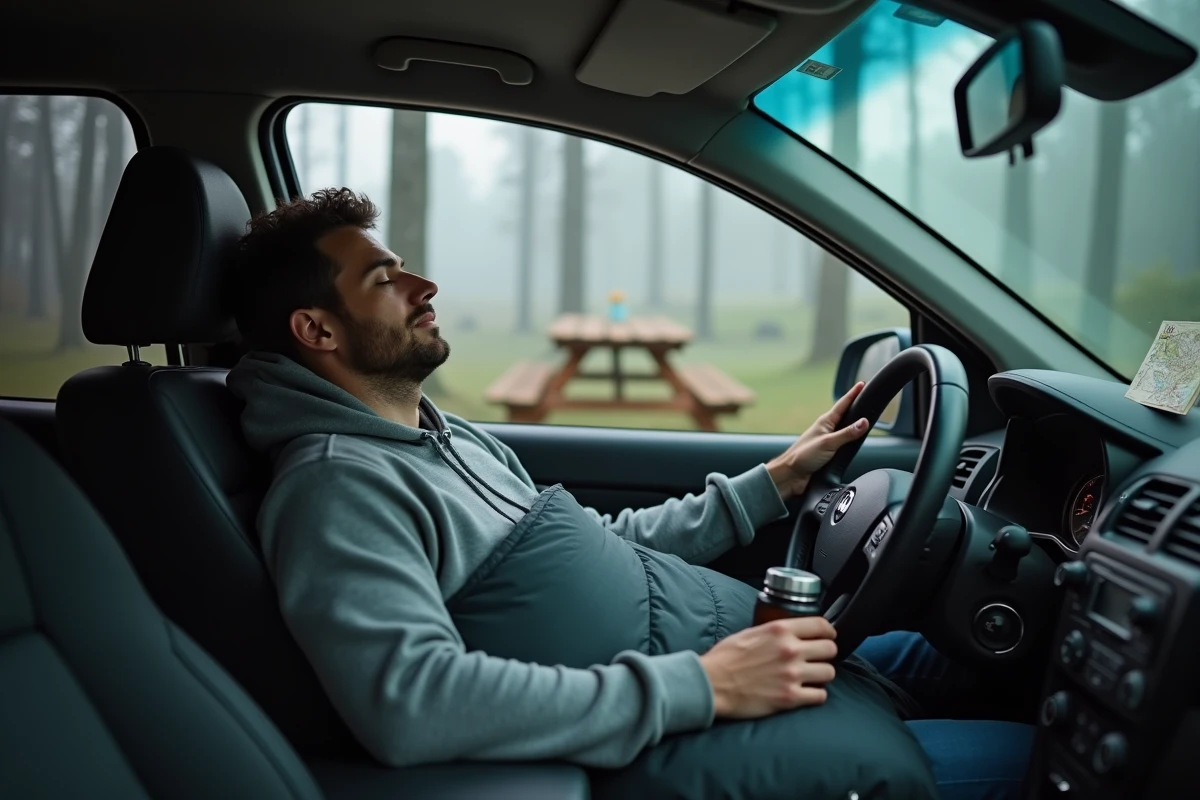
| Short rest (nap, isolated night, closed vehicle) | The driver sleeps in a parked vehicle without external equipment | Low, unless local signage states otherwise |
| Prolonged parking (more than 24 hours in the same spot) | The vehicle remains parked in the same place without moving | Possible ticket for abusive parking according to municipal regulations |
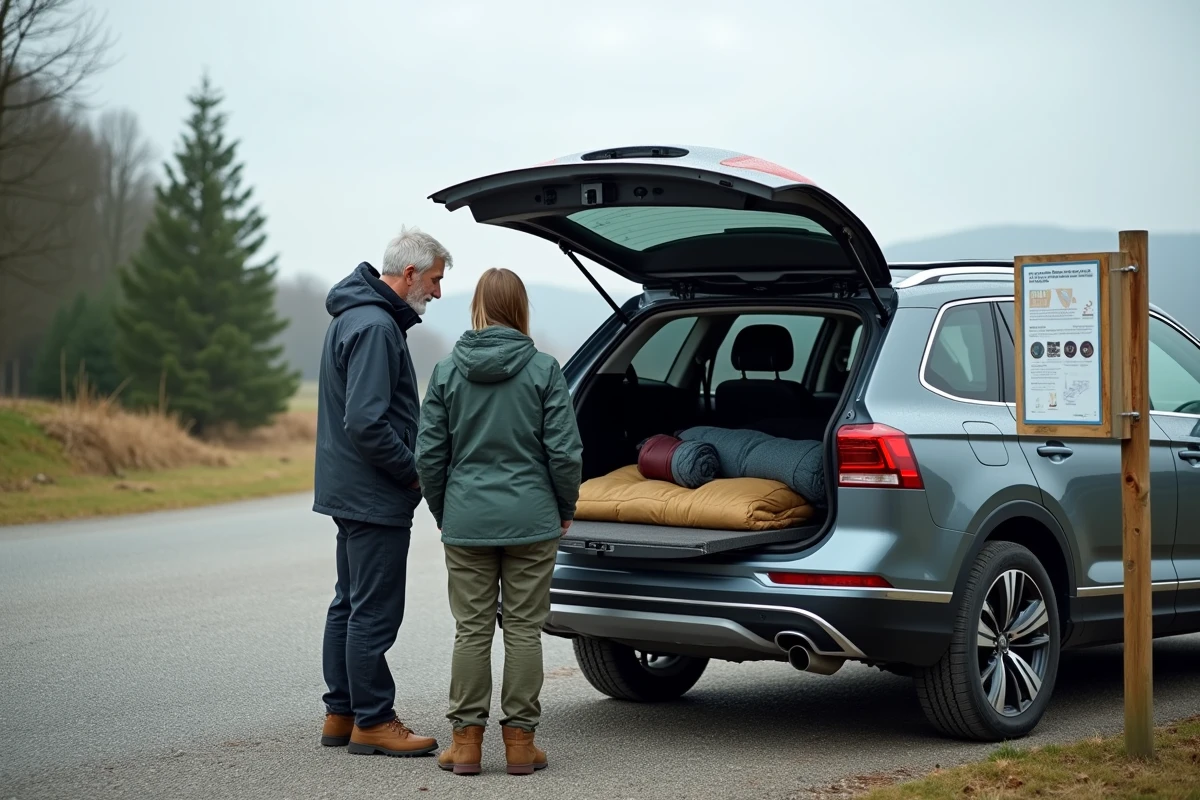
| Behavior akin to camping (awning, table, chairs) | Setting up equipment outside the vehicle | Reclassification as wild camping, municipal fine |
The boundary between resting and camping does not depend on the vehicle, but on visible behavior. As long as you stay inside your car without encroaching on public space with furniture, most municipalities tolerate a night of rest.
Understanding the regulations for sleeping in your car in Belgium first requires precisely categorizing your situation.
Municipal regulations in Wallonia, Flanders, and Brussels: rules that vary from street to street
No Belgian region has adopted a uniform text allowing or prohibiting spending the night in a vehicle. It is the municipalities that set their own rules through local decrees and police regulations.
Wallonia and rural areas
In rural Walloon municipalities, tolerance is generally high for a one-night rest in a closed vehicle parked in an unregulated public parking lot. Some municipalities near natural areas (Ardennes, Hautes Fagnes) display specific prohibition signs near protected sites.
Flanders and urban areas
Flemish cities often enforce stricter parking regulations, with time limitations or blue zones that make overnight parking technically impossible without violating the rules. In contrast, rest areas along highways remain accessible for a night stop, including in Flanders.
Brussels-Capital Region
In Brussels, parking pressure makes the practice difficult. Regulated zones cover almost the entire municipal territory, and unauthorized overnight parking can lead to towing in certain municipalities.
Before parking for the night, three checks are necessary:
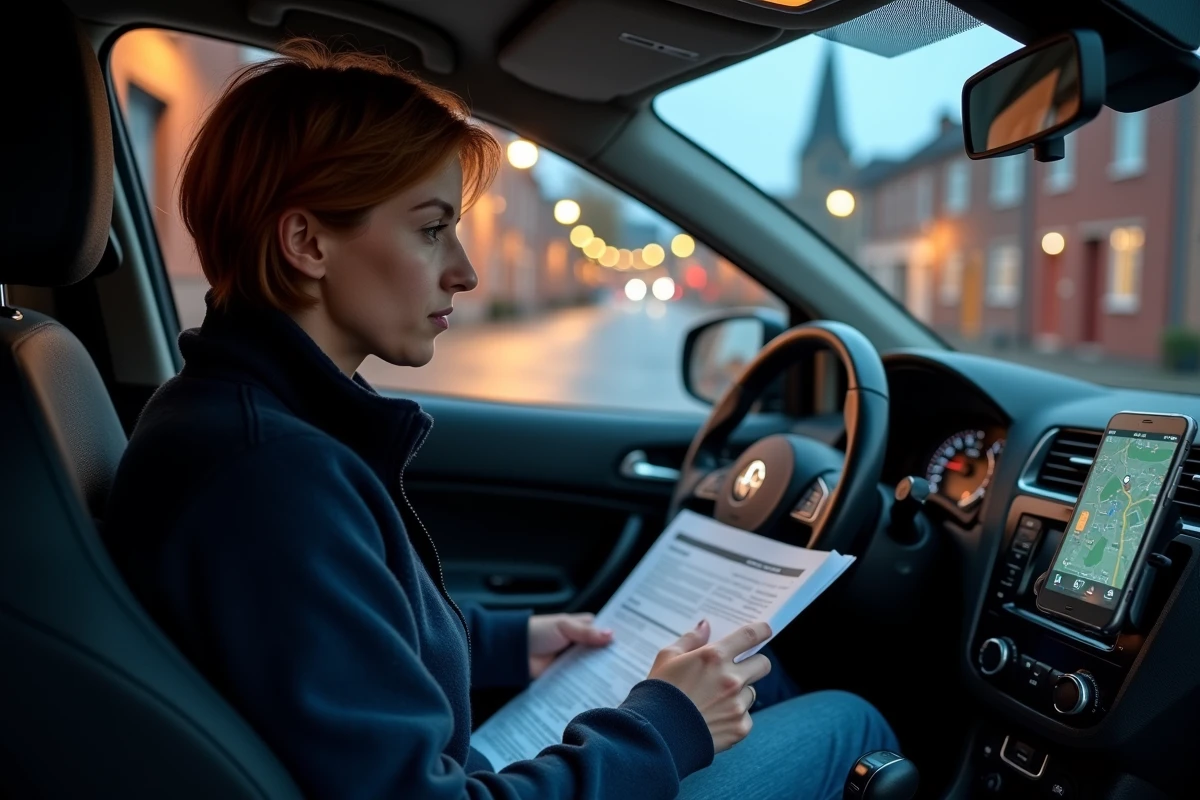
- Local signage: a no parking or camping sign applies even if no national text prohibits you from sleeping in your vehicle
- Parking regulations: private parking lots (shopping centers, train stations) have their own rules and can involve the police for a vehicle occupied at night
- Parking duration: staying more than 24 hours in the same spot triggers abusive parking classification in many municipalities
Private car, converted van, or camper: tolerance varies by vehicle
The type of vehicle alters the perception of authorities and residents. A discreetly parked sedan attracts less attention than a van with blackout curtains or a camper with an extended awning.
A converted van registered as a private vehicle is subject to the same parking rules as a regular car. It does not have access to areas reserved for campers, but it is also not subject to specific prohibition signs for recreational vehicles.
Campers, on the other hand, face more visible restrictions. Many Belgian municipalities, especially in coastal areas and tourist cities, prohibit their overnight parking outside dedicated areas. These prohibitions are indicated by signs showing the silhouette of a camper crossed out.
Sanctions and controls: what a sleeper in a car risks in Belgium
Nocturnal checks of parked vehicles vary greatly from one area to another. In practice, local police mainly intervene based on reports from residents or during routine patrols.
The most common sanction is a simple verbal reminder to leave the area. Tickets mainly concern cases of abusive parking (vehicle stationary for several days) or behavior akin to camping (external setup).
Municipal fines, when they apply, fall under the general police regulations of the municipality. Their amount depends on the local text in force. In the most contentious cases (prolonged occupation, litter, nuisances), towing the vehicle remains possible.
A discreet night in a closed vehicle, in an authorized parking spot, without external equipment or prolonged occupation, rarely leads to prosecution. Discretion and respect for local signage remain the two determining factors to avoid any issues when spending a night in your car in Belgium.